
Optimizing Images for Schema & Rich Results: A Technical Guide
Search visibility depends on more than keywords and backlinks. In today’s data-driven search landscape, image optimization plays a direct role in how your content appears in visual and rich results. Properly formatted images help search engines interpret context, apply structured data, and showcase your pages with enhanced visual snippets.
Why Image Optimization Impacts Rich Results
Rich results display extra information—such as ratings, FAQs, and images—that attract clicks and signal credibility. When search engines encounter optimized images, they can better match visuals with page intent. High-quality, compressed images accompanied by descriptive alt text and schema markup increase the odds of appearing in image carousels or product panels.
Simply put, optimized visuals boost both accessibility and discoverability.
Technical Best Practices for Image Optimization
Effective image optimization balances technical precision and user experience. Keep these fundamentals in mind:
Use descriptive file names that include focus keywords.
Apply modern formats like WebP for smaller file sizes.
Compress responsibly—maintain clarity while reducing load time.
Add meaningful alt text that describes image content and reinforces page relevance.
Define image dimensions in HTML or CSS to avoid layout shifts.
Each of these actions strengthens overall site performance and improves structured data reliability.
Integrating Images with Schema Markup
Schema markup helps search engines understand what your page represents. When combined with optimized images, it communicates richer context. For example, product or article schema that includes “image”: “https://…” allows Google to associate visuals with listings.
Best integration tips:
Image integration and optimization ensure search engines connect your visuals to your structured data, increasing chances of enhanced presentation in search results.
Include an image property in every applicable schema type (Article, Product, Recipe).
Use absolute URLs to avoid crawl errors.
Verify schema using Google’s Rich Results Test tool.
Common Mistakes to Avoid
Even experienced marketers can overlook key details in image optimization. Conducting a brief quarterly audit helps catch and correct these issues before they affect visibility and rankings. Common mistakes include uploading uncompressed, oversized images that slow page performance, neglecting alt text that supports accessibility and SEO, and forgetting to update schema data when images are renamed, replaced, or reorganized within the site structure.
Advanced Opportunities
Beyond basic compression and tagging, marketers can experiment with lazy loading, content delivery networks (CDNs), and automated image generation for social sharing. These techniques further reduce latency and keep images responsive across devices. This can be important in modern markets where content is being accessed by a variety of browsers and devices like phones and tablets.
Key Takeaway
Experienced digital marketers understand that Images are functional SEO assets. Rather than treat them as window dressing, they implement page imagery as a tool to attract and interest search engines. And that is the vital point: When you combine image optimization, schema integration, and structured data validation, you make your content more appealing to both users and search algorithms.

The Role of Header Tags in SEO and AI Search
As search engines become more advanced, website structure plays a critical role in determining visibility. One of the simplest yet most powerful elements for organization is header tags. These HTML markers,H1, H2, H3, etc, give structure to your content, guide users through topics, and signal importance to search engines. In the age of AI-powered search, optimizing header tags is a must-have for competitive digital marketing.
What Are Header Tags?
Header tags are HTML elements that separate content into sections and subsections. An H1 tag typically introduces the main topic, while H2 and H3 tags divide the content into digestible parts.
They serve two key functions:
Improve readability by helping users scan content.
Provide context to search engines on which information is most important.
Without headers, content becomes a wall of text that discourages both readers and crawlers.
Why Header Tags Matter for SEO
Search engines rely on header tags to understand hierarchy and relevance. Proper use of H1, H2, and H3 tags signals keyword importance and helps algorithms connect your page to search intent.
Well-structured headers:
Increase keyword relevance for target topics
Encourage longer page visits through scannable formatting
Support featured snippets and “People Also Ask” visibility
The Connection to AI Search
With AI-driven tools like Google’s Search Generative Experience (SGE) and conversational search, structure has become even more important. AI systems pull context from well-labeled sections, often using headers to generate summaries or direct answers.
When your content is structured with clear header tags, it increases the likelihood of being cited or highlighted by AI search tools. This makes headers not only vital for SEO but also for the future of digital discovery.
Common Mistakes to Avoid
Businesses often mishandle header tags in ways that harm their visibility. Avoid these pitfalls:
Multiple H1s on a single page, which confuses search engines
Keyword stuffing headers, making them unreadable
Skipping hierarchy (jumping from H1 to H4 with no H2s in between)
Overly generic headers that fail to capture search intent
Correcting these mistakes improves clarity, boosts rankings, and enhances user experience.
Best Practices for Header Optimization
To get the most from header tags, follow these proven practices:
Use a single H1 per page that includes your primary keyword.
Break sections logically with H2s, then use H3s for supporting points.
Incorporate secondary keywords naturally in subheaders.
Keep headers concise, clear, and descriptive.
Align header structure with user questions and search intent.
Applying these steps makes your content more accessible to both search engines and AI-powered discovery systems.
How Header Tags Support Broader SEO
Header optimization works best when combined with other on-site strategies like internal linking, schema markup, and local SEO. For example, pairing strong headers with optimized title tags and meta descriptions creates a cohesive structure that supports both rankings and user engagement.
Why Professional Guidance Matters
Although header tags seem simple, their strategic placement requires expertise. A professional digital marketing agency ensures headers align with SEO goals, AI search readiness, and overall user experience. By combining technical precision with content strategy, agencies maximize the impact of every page.
Header tags are essential for SEO and AI-driven search. They create clarity, guide readers, and help search engines understand your message. Businesses that implement header optimization consistently see improved rankings, stronger engagement, and more opportunities for AI-powered visibility.

What Does Onsite Local Optimization Mean for Your Website?
When customers search for products or services nearby, they want fast, accurate, and relevant results. If your business isn’t showing up, you’re losing valuable opportunities. That’s where on-site local optimization comes in. By fine-tuning your website to target local audiences, you help search engines connect your business to the people who need it most. Without these efforts, even well-designed websites may underperform in local search.
Defining On-Site Local Optimization
On-site local optimization refers to the specific updates you make within your website to improve its visibility for geographic-based searches. While general SEO focuses on broader ranking factors, local optimization narrows the scope to ensure your business appears for searches like “near me” or “in [city name].”
Core elements include:
Location-specific keywords within title tags and meta descriptions
Clear name, address, and phone number (NAP) consistency
Localized landing pages that highlight services in your area
Why It Matters for Businesses
Local searches often translate into high-intent actions. For example, someone searching “best HVAC contractor near me” is far closer to hiring than a general user just researching “HVAC tips.” On-site local optimization helps you capture these ready-to-convert customers.
Businesses that implement strong local strategies consistently see increased visibility, higher call volumes, and more in-store visits.
Key Components of Effective Local Optimization
A successful local strategy balances technical SEO with user experience. Some essential components include:
Optimized title tags: Include location and target keyword.
Localized content: Write service pages that reference city names, neighborhoods, or regions.
Schema markup: Add LocalBusiness schema so search engines understand your details.
Internal linking: Connect local landing pages to related blog posts or services.
Together, these tactics create a strong foundation for ranking in local search results.
Common Mistakes to Avoid
Businesses sometimes weaken their local presence with simple oversights. Common errors include:
Using generic title tags without location information
Forgetting to update NAP details across all pages
Skipping local schema markup
Overusing keywords in ways that reduce readability
The Bigger Picture
On-site local optimization doesn’t work in isolation. It pairs best with off-site strategies like citation management, review generation, and social media engagement. Together, these tactics strengthen credibility and reinforce your relevance in local markets.
This combined approach ensures your website isn’t just another listing—it’s a trusted, competitive option for your community.
Cross-Promotion and Content Opportunities
Strong local optimization also supports content marketing. Blogs, case studies, and testimonials tied to specific regions boost credibility while showcasing your expertise. Linking these resources internally builds authority and improves user experience.
Why Professional Help Matters
Although the basics of local SEO may seem straightforward, executing a consistent, scalable strategy requires expertise. A professional digital marketing agency can audit your site, identify missed opportunities, and implement improvements. Expert support ensures your site aligns with best practices while adapting quickly to search engine updates.
On-site local optimization is the bridge between your website and your local customers. By focusing on location-specific keywords, accurate business details, and user-friendly design, you make it easier for both search engines and customers to trust your brand.

Proven Methods of Brand Mentions and Reputation Management
In today’s digital-first world, customers form opinions about a business long before making contact. Online conversations, reviews, and social interactions all shape brand perception. That’s why brand mentions and reputation management play such an essential role in driving growth, trust, and long-term success. Businesses that actively monitor and respond to these signals position themselves as credible leaders in their industries.
Why Brand Mentions Matter
A brand mention occurs anytime your business name appears online, whether in a blog, social post, review, or directory. Search engines use these mentions as signals of authority. Even when mentions don’t include a direct backlink, they contribute to your online presence and can improve visibility. Tracking mentions also provides valuable insights into customer sentiment. You can identify advocates, uncover negative patterns, and adjust your strategies accordingly.
Reputation Management in Practice
Reputation management is more than damage control. It’s a proactive process of building trust through transparency, responsiveness, and consistency. Businesses that manage their reputation effectively benefit from stronger search rankings, improved customer loyalty, and higher conversion rates.
Effective reputation management involves:
Monitoring mentions across social, blogs, and review platforms
Responding quickly and professionally to feedback
Encouraging satisfied customers to leave positive reviews
Creating content that reinforces brand authority
The SEO Connection
Search engines prioritize businesses with strong reputations. Positive mentions, reviews, and consistent engagement send signals of trust. When combined with SEO strategies like optimized content, backlinks, and local citations, they reinforce credibility and improve rankings.
Think of brand mentions and reputation management as the reputation layer of your SEO. Without it, even well-optimized sites may lose ground to competitors perceived as more trustworthy.
Common Pitfalls to Avoid
Businesses often make critical mistakes that harm their reputation efforts:
Ignoring negative reviews instead of addressing them
Responding emotionally rather than with professionalism
Failing to claim directory listings, leaving outdated or false information online
Overlooking neutral mentions that could be turned into positive engagement
Proven Methods for Stronger Results
Reputation management requires a proactive, multi-channel approach. Proven methods include:
Leverage monitoring tools: Platforms like Google Alerts, Mention, and Brand24 help you track mentions in real time.
Create shareable content: Publishing industry insights, case studies, and helpful resources encourages organic brand mentions.
Engage on social media: Respond to comments, answer questions, and join conversations where your brand is being discussed.
Develop a review strategy: Encourage happy clients to post reviews on Google, Yelp, and industry-specific directories.
Collaborate with partners: Co-branded content and guest posts create high-quality mentions in trusted spaces.
Why Professional Guidance Helps
Managing mentions and reputation internally can be overwhelming. A professional digital marketing agency provides tools, processes, and expertise to streamline the work. Agencies also bring objectivity, helping businesses craft responses and strategies that align with long-term brand goals. Customers and search engines alike judge your brand by what they see online. That makes brand mentions and reputation management critical elements of reliable digital growth strategies. By monitoring mentions, responding effectively, and promoting positive stories, businesses create strong reputations that translate into leads, loyalty, and measurable ROI.

The How and Why of Title Tags and Meta Descriptions
Search engines rely on dozens of factors to determine where your site appears in results, but some of the simplest elements are often the most overlooked. Title tags and meta descriptions act as digital signposts that guide both search engines and users toward your content. When optimized effectively, they increase visibility, attract clicks, and improve overall SEO performance. Many businesses focus heavily on technical SEO or content development while ignoring these small yet powerful elements.
What Are Title Tags?
Title tags are short pieces of HTML code that tell search engines and users what a page is about. They appear as the clickable blue link in search engine results pages (SERPs).
Good title tags are:
Concise (50–60 characters)
Keyword-focused without stuffing
Descriptive and relevant to the page content
A weak or missing title tag can cause search engines to pull irrelevant text, which lowers click-through rates and confuses visitors.
The Role of Meta Descriptions
Meta descriptions appear directly beneath the title tag in SERPs. They provide a quick summary of what the page offers and influence whether users click. While meta descriptions are not a direct ranking factor, they indirectly affect rankings by improving click-through rates.
Best practices for meta descriptions include:
Writing 150–160 characters of clear, compelling copy
Including the target keyword naturally
Presenting a reason to click, such as a benefit or solution
Think of meta descriptions as your ad copy in organic search results.
Why Title Tags and Meta Descriptions Matter
Search visibility depends not only on ranking but also on how many users choose your result. Even if you’re in the top five, a vague or generic title and description can result in low click-through rates. On the other hand, optimized title tags and meta descriptions help:
Improve keyword relevance for better rankings
Attract more qualified clicks
Differentiate your content from competitors
Increase engagement and conversions once users arriv
This simple optimization step creates a measurable impact on traffic and ROI.
Common Mistakes to Avoid
Businesses often undermine their SEO efforts with preventable errors:
Duplicate titles and descriptions across multiple pages
Keyword stuffing that feels unnatural
Missing meta data, leaving search engines to guess
Overly generic phrasing that fails to engage readers
Correcting these issues can deliver quick improvements in search performance and user behavior.
How They Fit Into Growth Strategies
Effective SEO doesn’t happen in isolation. Title tags and meta descriptions should work alongside quality content, backlinks, and local SEO tactics to create reliable growth. When paired with consistent citation management, social promotion, and fresh content, they ensure your site communicates authority at every level.
Title tags and meta descriptions are small elements of your website, but their impact is tremendous. They determine first impressions in search results and influence whether your content ever gets read. Businesses that commit to optimizing these details consistently see higher traffic, stronger engagement, and better returns from digital marketing.

Local Citations and Directory Listings in Reliable Growth Strategies
When businesses look for long-term digital growth, they often focus on advanced tools and complex strategies. Yet one of the most reliable foundations for visibility and trust is still often overlooked: local citations & directory listings. These listings help search engines validate your business information while making it easier for customers to find you across multiple platforms.
Why Local Citations Matter
Local citations are references to your business’s name, address, and phone number (NAP) across online directories, apps, and websites. Consistency in these listings signals to search engines that your business is legitimate and trustworthy. Even a small inconsistency, like a wrong phone number, may create confusion and reduce your ranking potential. Maintaining clean, accurate citations ensures customers reach you quickly while improving search visibility.
Directory Listings Build Authority
Online directories like Yelp, Yellow Pages, and industry-specific portals act as validation sources for search engines. A business with multiple credible listings gains more authority, which translates into stronger rankings. Beyond SEO benefits, these directories drive referral traffic from customers who are already searching for local solutions.
Directory profiles that include photos, reviews, and complete information often outperform incomplete listings. This additional detail builds trust with both algorithms and customers.
Common Mistakes Businesses Make
Many companies underestimate the importance of proper management of their citations and listings. While it may seem like a small detail compared to broader digital marketing strategies, overlooking citations can create compounding issues that undermine credibility, frustrate customers, and weaken local rankings. The most common errors businesses make include:
Duplicate listings: Confuse both customers and search engines.
Incomplete profiles: Missed opportunities for traffic and conversions.
Outdated information: Creates frustration and damages trust.
Reliable growth requires correcting these errors before they cost your business visibility and leads.
How Citations Fit Into Growth Strategies
Local citations & directory listings should never be treated as an afterthought. They complement broader strategies like SEO, PPC, and content promotion. Together, they create a holistic digital presence that increases visibility across search engines, maps, and voice search platforms.
Cross-Promotion Opportunities
Citations also open the door for cross-promotion. Many directories allow businesses to link directly to websites, blog posts, or even promotional campaigns. Leveraging this feature can improve traffic and spread your message to audiences actively seeking your services.
The Benefits of Professional Web Marketing
Partnering with a professional web marketing agency gives businesses access to expertise, proven strategies, and tools that drive measurable results. From building a stronger online presence to optimizing campaigns for conversions, expert support ensures every dollar spent generates maximum ROI. Professional guidance also saves time, reduces costly mistakes, and accelerates long-term growth.
Reliable growth strategies are built on strong fundamentals. Local citations & directory listings provide the backbone for visibility, trust, and customer access. Businesses that actively manage their directory presence not only rank higher but also create better customer experiences. Strengthening your local presence and fueling long-term growth is within your reach, usually by partnering with a reliable internet marketing agency.

7 Devastating Mistakes to Avoid in Reliable Promotional Strategies
Promoting your content effectively can mean the difference between gaining valuable leads and watching your efforts disappear into the digital void. A reliable promotional strategy takes careful planning, consistent execution, and ongoing optimization. Unfortunately, many businesses repeat the same avoidable mistakes that cripple visibility and ROI. If you want your campaigns to succeed, you need to avoid these seven common missteps and invest in smarter content promotion.
Ignoring Audience Research
Too many campaigns start without a clear understanding of who the target audience really is. Promoting content broadly wastes resources and reduces engagement. Identify your audience’s demographics, behaviors, and pain points to ensure your promotion strategies connect. Taking the time to build audience personas gives you clarity on messaging and channels that drive results.
Failing to Optimize for Search Engines
Search optimization isn’t just about ranking—it’s about amplifying your promotional reach. Without keyword integration, metadata, and structured content, your campaigns lose traction before they begin. Align content promotion with solid SEO fundamentals. Even small adjustments, such as improving title tags and internal links, can significantly expand organic reach.
Overlooking Social Media Channels
Relying solely on one platform limits visibility. Facebook, LinkedIn, Instagram, and YouTube each serve different segments of your audience. If you’re not tailoring promotions to these channels, you’re missing opportunities to extend your content’s reach. Effective campaigns diversify social efforts to maximize exposure and reduce reliance on a single channel.
Neglecting Paid Distribution
Organic reach has limits. Businesses that fail to invest in paid promotions such as Google Ads, LinkedIn campaigns, or boosted social posts often see stagnant results. Paid amplification helps ensure your best content reaches qualified prospects instead of fading in crowded feeds. Combining organic and paid strategies creates a powerful multiplier effect.
Using Weak or Generic CTAs
Promotions without a strong call to action don’t convert. A vague “Learn More” won’t inspire clicks. Clear, compelling CTAs like “Request a Free SEO Audit” guide readers toward action and increase conversion rates. Strong CTAs also set expectations, giving readers a reason to trust the next step.
Forgetting to Measure and Adjust
Reliable promotional strategies are built on data. Without tracking impressions, clicks, and conversions, you won’t know what’s working. Use analytics dashboards to refine campaigns, reallocate budgets, and stop wasting money on underperforming efforts. Reviewing data consistently ensures strategies evolve with audience behavior and market shifts.
Skipping Cross-Promotion Opportunities
Smart marketers repurpose and distribute content across multiple channels like email newsletters, partner websites, and industry blogs. Overlooking these opportunities limits exposure. Expanding distribution creates multiple touchpoints, reinforcing your message and improving brand recall.
Avoiding these mistakes ensures your promotional strategies are reliable and scalable. Strong content promotion depends on a balance of audience targeting, SEO alignment, paid amplification, and data-driven refinement. Businesses that commit to these principles see more traffic, higher conversions, and stronger ROI. The best place to start is with an internet marketing audit to locate areas that will enhance your online presence.

How Do Content Quality and Relevance Drive Higher Rankings?
Search engines have one primary goal: delivering the most helpful answers to user queries. That means your website’s content quality and relevance directly impact whether you rank above your competitors. If your content is thin, outdated, or off-topic, you’ll struggle to earn visibility—even if you’ve invested in technical SEO. To stay ahead, businesses need to focus on building high-value, relevant material that matches what their audience is searching for.
Why Content Quality Matters
High-quality content signals authority to both users and search engines. Google’s algorithms evaluate whether a page demonstrates expertise, trustworthiness, and depth. Pages that answer questions fully and accurately are more likely to rank well. When your site demonstrates strong content quality, visitors stay longer, bounce rates drop, and rankings rise.
Consider these quality signals:
Accuracy: Fact-checked, up-to-date information builds trust.
Readability: Clear, well-structured writing improves engagement.
Value: Original insights, data, or case studies add credibility.
The Role of Relevance
Search engines also measure how closely your content aligns with a user’s intent. Simply adding keywords isn’t enough; you must deliver context and usefulness around those terms. For example, a page optimized for “plumbing SEO tips” should provide strategies tailored to plumbing businesses, not generic marketing advice.
Factors that demonstrate your content is built to meet user needs:
Using natural language that mirrors real search queries.
Covering related subtopics that show depth.
Updating content to stay aligned with current trends.
Combining Content Quality and Relevance
The true power lies in blending content quality and relevance. Imagine a blog post that explains the latest Google updates, supported by examples, expert commentary, and links to trusted sources. It not only answers the user’s query but also provides depth they won’t find elsewhere. This balance is why brands that invest in SEO-focused content marketing consistently outperform those relying on outdated keyword stuffing.
How to Improve Your Rankings With Better Content
Businesses that prioritize quality and relevance often follow a repeatable framework designed to ensure consistency, efficiency, and measurable results. This approach helps marketers avoid guesswork, focus on proven strategies, and continually refine their efforts to stay aligned with both search engine algorithms and evolving customer expectations:
Conduct keyword research: Understand what your audience is searching for.
Create comprehensive resources: Cover the topic fully with supporting details.
Incorporate multimedia: Images, charts, and videos keep users engaged.
Refresh regularly: Update posts with new data and insights.
Track performance: Use analytics to refine your strategy.
Achieving a high search rank is more complicated than you may think, often involving hours of research and carefully monitoring page ranking results. For additional insights, you may want to take a moment to explore this related blog post.
Ranking well in today’s search results requires more than technical tweaks. You must deliver content quality and relevance that meet user expectations and search engine criteria. Businesses that embrace this approach see improved visibility, stronger engagement, and higher ROI. Consider enlisting the aid of a reputable Internet Marketer to elevate your search rankings with better content.
How Inaccurate Local Citations and Directory Listings Hurt Rankings

Accurate local citations and directory listings are essential for maintaining strong local SEO performance. When your business information is consistent across the web, search engines gain confidence in your legitimacy. But when details such as your name, address, or phone number are incorrect or inconsistent, that trust erodes, causing negative impacts on your search visibility and customer experience.
Local citations refer to mentions of your business on online directories, local business listings, map services, and review platforms. These include Google Business Profile, Yelp, Bing Places, Facebook, Apple Maps, and hundreds of industry-specific or regional directories. Search engines use these listings as validation points to confirm your business exists and operates at a specific location.
Inconsistencies in local citations confuse both users and search engines. If your business is listed under two slightly different names or has different addresses across platforms, search engines may treat them as separate entities. This fragmentation weakens your authority and can reduce your chances of appearing in local search results or the coveted Google local pack.
Even minor discrepancies, such as abbreviations, outdated suite numbers, or a missing area code, can disrupt citation accuracy. For example, listings that alternate between “123 Main Street, Suite 100” and “123 Main St. #100” may be flagged as separate locations. While this might seem insignificant to a human reader, algorithms rely on consistency to assign ranking value.
Duplicate listings are another issue that impacts rankings. Multiple entries for the same business can dilute reviews, split traffic, and create confusion for users. In some cases, duplicate listings result in one version outranking the preferred listing, causing you to lose control over the customer journey.
Inaccurate directory listings can also harm your reputation. Potential customers who call a disconnected phone number or arrive at an outdated address are likely to feel frustrated and move on to a competitor. This can result in lost revenue and negative reviews, both of which further damage your local SEO efforts.
Maintaining accurate local citations improves your credibility and increases your chances of ranking well in geographically targeted searches. Search engines reward businesses that provide consistent and complete information. Listings with photos, business hours, category tags, and descriptions tend to perform better than those with missing or conflicting data.
Monitoring your citations regularly is essential. Manual audits combined with citation management tools allow you to track listings across major platforms, correct errors, and remove duplicates. This ongoing process ensures that your business maintains a strong, unified presence across the digital landscape.
In a competitive local market, consistency builds trust. When your business information is accurate everywhere it appears, you increase your chances of being found, chosen, and trusted by both search engines and potential customers.
The Role of SEO in Successful Content Promotion
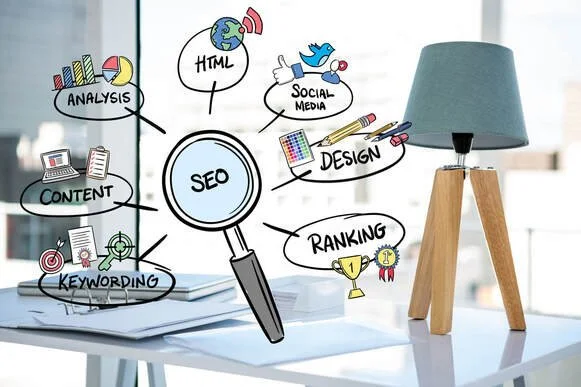
Publishing great content is only the beginning. Without a clear promotional strategy, even your most insightful work can remain unseen. Search engine optimization plays a critical role in making sure your content reaches the right audience at the right time. When integrated into your content strategy from the start, SEO enhances visibility, improves engagement, and drives sustained traffic over time.
One of the primary benefits of SEO is discoverability. Users turn to search engines to solve problems, answer questions, and evaluate options. If your content does not appear in those search results, it becomes invisible to the very audience it was designed for. By incorporating relevant keywords, optimizing metadata, and using structured formatting, your content becomes more likely to rank for valuable queries.
Content promotion through SEO begins with keyword research. Understanding what your target audience is searching for allows you to align your content topics with real demand. Using tools like Google Keyword Planner, Ahrefs, or SEMrush, marketers can identify specific phrases with strong search volume and clear intent. When these terms are naturally incorporated into titles, headers, and body content, search engines are more likely to index and serve your content to the right users.
On-page optimization further supports promotion. This includes creating descriptive title tags, compelling meta descriptions, clean URLs, and internal links to related pages. These technical details may seem small, but together they improve crawlability and user experience. A well-structured page is easier for search engines to understand and rank appropriately.
SEO also enhances long-term promotion. Unlike paid ads or social posts that lose traction over time, optimized content can continue to drive traffic for months or even years. Evergreen blogs, pillar pages, and FAQs that target consistent search behavior are especially effective at building compounding visibility.
Backlinks are another important element. When other reputable websites link to your content, search engines view it as more authoritative. Promoting content through outreach, guest posts, or digital PR can help earn these backlinks and boost rankings. As visibility grows, so does the opportunity to attract more links, further reinforcing the content’s authority.
SEO analytics tools help track performance and identify where to focus future promotion efforts. Reviewing which pieces are attracting organic traffic, ranking for priority keywords, or generating conversions helps shape your ongoing strategy. These insights inform future content creation and refinement to maximize reach.
Incorporating SEO into your content strategy is not just about ranking. It is about creating content that people want to find and ensuring they can find it. When content is optimized and promoted through the lens of SEO, it works harder and delivers more value for your brand.
How Content Quality and Relevance Impact Buyer Decisions

In today’s digital-first environment, buyers are no longer swayed by generic messaging or shallow blog posts. They expect brands to deliver helpful, high-quality content that speaks directly to their needs. Content that lacks relevance or substance is quickly ignored, while strategic, user-focused content influences trust, action, and ultimately, purchasing decisions.
Quality content starts with clarity. Well-structured writing that is free from jargon, spelling errors, or unnecessary fluff immediately establishes credibility. When buyers encounter content that reads smoothly and presents useful information, they are more likely to view the brand as professional and trustworthy. In contrast, poorly written content signals a lack of attention to detail, which may carry over into how a product or service is perceived.
Relevance is equally important. Buyers do not want to sift through content that only partially relates to their concerns. They expect content to address specific questions, solve immediate challenges, or provide insights aligned with their current decision stage. Whether they are exploring options or ready to make a purchase, the information you present must match their intent and expectations.
One of the most effective ways to ensure relevance is by mapping content to the buyer journey. At the awareness stage, high-level guides, educational blogs, or industry trend pieces help position your brand as a helpful resource. In the consideration phase, comparison articles, case studies, and product walkthroughs demonstrate value. For decision-ready buyers, detailed service pages, testimonials, and strong calls-to-action close the gap between interest and action.
Trust is another factor that high-quality, relevant content influences. Buyers tend to vet companies long before reaching out. They visit websites, read blogs, view social media, and consume reviews. Each interaction with your content shapes their impression. Brands that consistently publish accurate, helpful, and on-brand content develop authority over time, making it more likely that buyers will choose them over less visible competitors.
SEO optimization contributes to content discoverability, but keyword stuffing or surface-level writing can backfire. Search engines prioritize content that engages users and keeps them on the page. Strong headlines, clear formatting, relevant examples, and internal links all work together to improve user experience and support better rankings. These elements also help guide readers toward deeper engagement.
Multimedia enhances both quality and relevance. Incorporating visuals, videos, charts, or downloadable resources into your content makes it more digestible and appealing. Buyers often prefer scanning key points or watching a quick explanation rather than reading a lengthy article. Offering different formats increases accessibility and supports varied learning styles.
Consistency reinforces brand trust. If your content quality and tone are uneven across platforms, buyers may feel uncertain about your reliability. Ensuring that your website, social media, email marketing, and paid ads all reflect the same voice and standards helps build a cohesive presence that buyers can recognize and rely on.
The brands that win buyer attention and loyalty are those that combine content clarity with purpose. When your content is tailored, actionable, and valuable, it becomes more than just a marketing asset. It becomes a trusted resource that supports confident decision-making.
How to Fully Optimize Your Google Business Profile for Local SEO Success

An optimized Google Business Profile (GBP) is essential for improving visibility in local search results. Whether users are looking for a nearby service or comparing businesses in their area, your profile often provides the first impression. Taking the time to fully optimize your GBP increases your chances of showing up in the local pack, map searches, and voice queries.
Start by claiming and verifying your business. This step ensures you have full control over the information displayed. Verification can be completed by postcard, phone, or email depending on your business type. Once verified, you can begin adding the details that influence search performance and customer decisions.
Accurate business information is the foundation of optimization. Your business name, address, and phone number (NAP) must be correct and consistent with what appears on your website and across all online directories. Even small inconsistencies can confuse search engines and reduce trust in your listing.
Choosing the right categories is another critical step. Your primary category should reflect your core service, such as “Insurance Agency” or “Family Dentist.” Secondary categories allow you to showcase additional services and help your profile appear in a broader range of searches. Avoid overloading categories that do not truly represent your offerings.
Write a compelling business description using natural language and keywords that reflect what local customers search for. This is your opportunity to communicate what sets you apart, highlight specializations, and include phrases that align with your local SEO strategy. Keep it concise and informative while avoiding promotional hype.
Regularly updating your business hours, including special holiday hours, is essential for both user experience and ranking signals. Google prioritizes businesses that provide accurate and up-to-date information. If your hours are incorrect, users may quickly move on to a competitor with clearer availability.
Photos play a powerful role in customer engagement. Upload high-quality images of your storefront, team, services, and interior. Businesses with updated photos tend to receive more clicks and direction requests. Geotagging images can also enhance local relevance, especially when paired with location-specific file names and alt text.
Collecting and responding to reviews improves both visibility and trust. Encourage satisfied customers to leave reviews and take time to respond to each one. Thoughtful replies to both positive and negative feedback show engagement and signal to Google that your business is active and customer-focused.
Utilize Google Posts to share updates, promotions, events, or educational content directly on your profile. These posts give users a reason to engage and can support seasonal campaigns or new product launches. Consistently publishing new content through this feature increases interaction and relevance.
Enable all relevant attributes and service areas. Attributes such as “wheelchair accessible” or “online appointments available” help users filter results based on their needs. If you serve multiple locations, clearly define your service area to increase your chances of appearing in nearby searches.
Tracking performance through Google’s built-in insights allows you to monitor search queries, profile views, direction requests, and website clicks. Use this data to refine your strategy and identify opportunities for further optimization.
Top Backlink Building Strategies That Actually Work in 2025

Backlinks remain one of the strongest signals search engines use to determine authority and trust. While many tactics from the early days of SEO are now outdated, the right backlink strategy in 2025 still delivers powerful results. The key is earning links through quality, relevance, and genuine value rather than shortcuts.
One of the most reliable strategies is producing link-worthy content. This includes in-depth guides, original research, expert roundups, and data-driven resources that naturally attract attention. When content offers unique insights or solves a specific problem better than existing options, other sites are more likely to reference and link to it.
Digital PR has become a cornerstone of modern link building. By pitching story angles or expert commentary to relevant journalists and bloggers, brands can secure high-authority backlinks from news outlets and industry publications. Services like HARO and Help a B2B Writers connect businesses with journalists actively seeking sources, making it easier to earn coverage that also boosts search rankings.
Guest posting still works when done strategically. Writing for respected industry websites allows you to share valuable insights while securing contextual backlinks to your own content. The focus should be on quality over quantity. A single guest post on a high-domain authority site in your niche can provide far more impact than multiple posts on low-value blogs.
Creating resource pages or tools is another high-performing tactic. If your brand offers a free calculator, template, checklist, or educational guide, other websites are likely to link to it as a useful reference. These evergreen assets attract links over time, especially when promoted through targeted outreach to websites that already cover related topics.
Broken link building remains a smart way to gain relevant backlinks. This process involves finding dead links on reputable websites and offering your content as a replacement. Tools like Ahrefs and Check My Links can help identify these opportunities. The key is providing a relevant resource that fits seamlessly with the original content.
Sponsorship and partnerships can also lead to natural backlinks. Many nonprofits, event organizers, podcasts, and local organizations list sponsors on their websites. Supporting a cause or collaborating with a complementary business can result in brand mentions and link placements from highly trusted domains.
Leveraging unlinked brand mentions is another effective tactic. Tools can track when your brand is mentioned online without a link. A simple outreach email requesting a hyperlink can turn those mentions into valuable backlinks with minimal friction.
Skyscraper content strategies continue to show results. This involves identifying popular content with lots of backlinks, creating a more comprehensive or updated version, and reaching out to the sites linking to the original. The goal is to offer an improved resource that others will want to reference instead.
Social sharing and influencer engagement help amplify your content, increasing the chances of natural backlinks. While social signals themselves may not directly impact SEO, they help expose your content to wider audiences, including bloggers and journalists who may link to it in future content.
How Smart Keyword Research and Optimization Can Boost Your Content Strategy

Keyword research remains one of the most valuable steps in building a high-performing content strategy. When executed with purpose, it transforms ordinary content into a discovery tool that attracts qualified traffic, answers real questions, and drives meaningful engagement.
Smart keyword research starts by identifying what your audience is searching for, not just which terms have the highest volume. This means focusing on relevance, search intent, and the stage of the buyer journey. Informational keywords serve early-stage awareness, while transactional phrases align with users ready to take action. Matching your content to these varying intents allows you to guide users from interest to conversion.
Long-tail keywords play a vital role in modern strategies. These specific search phrases typically have lower competition and reflect more focused intent. A user searching for “affordable business insurance in Texas” signals a clearer need than someone searching for “insurance.” By targeting these phrases, your content stands a better chance of ranking and converting the right audience.
Once you identify strategic keywords, the next step is smart placement. Keywords should appear naturally in key elements like titles, meta descriptions, headers, and introductory paragraphs. Overusing keywords leads to a poor user experience and can signal low-quality content to search engines. Modern algorithms prioritize clarity, usefulness, and readability over keyword density.
Effective optimization includes semantically related keywords. These supporting terms provide context and help search engines understand the depth and relevance of your content. For example, a blog on “cloud storage solutions” might also include terms like “data security,” “file access,” and “enterprise backup.” This approach improves topic authority and broadens the range of searchable queries.
Content clustering takes keyword strategy a step further. Instead of creating standalone blog posts around individual terms, marketers are organizing content into clusters around a central topic. A pillar page covers the main idea, while linked subpages address related keywords. This structure improves internal linking and signals topical depth to search engines.
Search behavior changes over time, so ongoing keyword analysis is essential. Using tools like Google Search Console, Ahrefs, or SEMrush, marketers can track which keywords are gaining traction, which content pieces are underperforming, and where to adjust focus. Refreshing older content with updated keywords and improved formatting can boost rankings without creating something new from scratch.
Competitive keyword research reveals how others in your space are attracting traffic. Reviewing what your competitors rank for helps you identify missed opportunities, gaps in your own strategy, and high-value terms that align with your brand. This process adds a strategic layer to your keyword planning and helps you stay ahead in crowded markets.
Finally, keyword insights should influence content ideation. If your research shows users are asking specific questions, those topics become valuable blog ideas, FAQs, or guides. Aligning your content calendar with real-time keyword data ensures each piece you publish is rooted in demand and has the potential to perform from day one.
Developing a Cohesive Brand Message Across Digital Platforms

In a multi-platform digital world, a scattered brand message confuses audiences and weakens credibility. Brands that build lasting trust and recognition are those that deliver a consistent, unified voice—regardless of whether the audience encounters them through search engines, social media, email campaigns, or paid ads.
The first step in developing cohesive messaging is establishing clear brand fundamentals. This includes your brand’s voice, tone, core values, and key differentiators. Whether you’re aiming for professional and authoritative or friendly and approachable, consistency in tone guides how your message is delivered across every touchpoint. These elements act as a filter for all written and visual communications.
Visual branding also plays a critical role. Logos, color palettes, fonts, and design styles should be consistent across digital environments—from your website and landing pages to email templates and social media posts. Visual consistency increases recognition and strengthens association between your content and your identity.
Content alignment begins with a clear messaging framework. This framework should define how your brand speaks about its services, benefits, and value propositions. When applied to different content types—blog articles, Google Ads, Instagram captions, or LinkedIn updates—the messaging must adjust in format, but not in meaning. Strong brands adapt tone without losing their voice.
Search engine optimization (SEO) content should reflect your brand’s value while targeting relevant search terms. Even when optimizing for keywords, the writing must maintain your voice. Over-optimized or generic content may rank, but it won’t convert if it feels disconnected from your brand. Creating pillar content that supports consistent messaging across blog posts, product pages, and FAQs helps reinforce both search visibility and brand cohesion.
Social media platforms each require unique formats, but your message should remain steady. A promotional post on Facebook and a behind-the-scenes video on TikTok may vary in style, yet both should reflect the same core voice and mission. Smart brands use platform-specific language without diluting their message.
Email marketing benefits greatly from a cohesive message. Your subject lines, preview text, and body content should reflect your tone and reinforce your position. Segmenting audiences allows for personalization, but all content must stay grounded in the brand’s larger identity. This reinforces trust and drives engagement with every send.
Digital advertising demands tight alignment between creative and messaging. Your ad copy, visuals, and landing page must tell the same story. Mismatches between the promise of the ad and the message on the destination page create friction and lower conversion rates. When your message flows naturally from the ad to the landing experience, users are more likely to act.
Analytics tools can help assess brand cohesion by tracking engagement across channels. If one platform shows unusually low time-on-page or high bounce rates, it may indicate a messaging disconnect. Using heatmaps, user flow tracking, and A/B testing provides actionable insights for message refinement.
Ultimately, a cohesive brand message across digital platforms creates familiarity, builds emotional connection, and increases trust. When all parts of your digital presence reinforce the same identity, you create a stronger brand impression that drives long-term growth.
Analyzing Competitor Strategies in Search Engine Marketing

In today’s pay-to-play digital environment, success in search engine marketing (SEM) depends not only on your own performance—but also on understanding how your competitors are attracting attention. Analyzing competitor strategies helps reveal gaps, benchmark your performance, and uncover untapped opportunities that can elevate your ROI.
The first step in competitive SEM analysis is identifying who’s bidding on the same keywords. Using tools like Google Ads’ Auction Insights or third-party platforms such as SEMrush or SpyFu, you can see which businesses consistently appear alongside your ads. These platforms provide visibility into impression share, overlap rate, and ad position—key indicators of who your true competitors are in the search space.
Once your competitive set is defined, the next step is keyword comparison. Analyze which terms your competitors rank for—both organically and through paid campaigns. Pay close attention to high-intent keywords that drive conversions, not just traffic. If competitors are heavily invested in certain terms, it signals strong performance potential. Conversely, keywords they’re ignoring may offer cost-effective entry points or niche targeting opportunities.
Ad copy analysis provides insight into how others position their offers. Study competitor headlines, descriptions, sitelinks, and callout extensions. Are they highlighting price, speed, guarantees, or unique features? Understanding these messaging priorities allows you to identify what your market values—and gives you an opening to differentiate. If everyone’s promoting “free quotes,” for instance, you may benefit by emphasizing speed, reviews, or localized service.
Landing page experiences also reveal competitive strengths and weaknesses. Visit the URLs linked in competitor ads to see where they’re directing traffic. Assess page load speed, layout clarity, headline messaging, and conversion pathways. A compelling ad followed by a weak landing page creates a vulnerability you can exploit with a more seamless user experience.
Another powerful element of SEM strategy is budget visibility. While exact ad spend isn’t public, tools can estimate monthly investments based on keyword volume and position. These insights help you understand how aggressively competitors are bidding and where they may be overextended. You can then identify opportunities to outmaneuver them with more focused targeting or by owning underserved keyword segments.
Observing seasonal or promotional patterns adds another layer of insight. Competitors often ramp up spend around product launches, industry events, or holidays. Monitoring ad frequency and messaging changes throughout the year helps you anticipate these pushes—and plan your own campaigns accordingly. Being proactive with counter-messaging or timing your promotions more effectively can shift attention in your direction.
Review extensions and offers can also influence click-through rates. Pay attention to whether competitors use reviews, pricing, promotions, or limited-time incentives. If they highlight user-generated feedback or third-party ratings, it may be time to strengthen your social proof or explore more aggressive ad extensions to reclaim market share.
By turning competitor insights into action, your SEM strategy becomes more informed and agile. Rather than guessing what works, you can adjust your campaigns based on real market behavior—leading to smarter spend decisions and more effective outcomes.
Maximizing ROI with Targeted Search Engine Marketing

Search engine marketing (SEM) remains one of the most effective ways to drive immediate traffic and measurable results. But generating a positive return on investment requires more than running ads—it demands precision targeting, continuous optimization, and strategic alignment with business goals.
The foundation of high-performing SEM campaigns lies in keyword intent. Rather than simply selecting high-volume terms, marketers are now analyzing the purpose behind each search. Targeting transactional and commercial-intent keywords ensures your ads appear when potential customers are actively looking to purchase or inquire—leading to higher click-through and conversion rates.
Ad relevance plays a crucial role in performance. Search engines reward campaigns that align closely with the user’s query. This means writing tightly focused ad copy that mirrors keyword themes, includes compelling calls-to-action, and speaks directly to the audience’s needs. Campaigns structured by intent—such as branded, competitor, product-specific, and location-based ad groups—improve Quality Scores and reduce cost-per-click.
Geographic and demographic targeting enhances efficiency by ensuring your ads reach the right audience at the right time. Local businesses can narrow their focus to specific zip codes, while larger campaigns can segment by device, age, gender, or income bracket. Layering audience data into your bidding strategy allows you to prioritize high-value users and reduce waste on uninterested segments.
A/B testing is essential to refining ad performance. Successful marketers continuously test variations of headlines, descriptions, display paths, and extensions. Minor changes in messaging can produce meaningful improvements in engagement and conversion metrics. Testing ad formats—such as responsive search ads versus expanded text ads—also helps determine which structures resonate best with your audience.
Landing page optimization is just as important as the ad itself. A well-targeted SEM campaign can fall short if the destination page fails to deliver. Pages must load quickly, reflect the ad’s message, and include clear conversion pathways. Whether it’s a contact form, a quote request, or an e-commerce purchase, seamless functionality directly impacts return on investment.
Budget management and bid strategies influence how far your dollars go. Smart bidding options like target CPA or ROAS use machine learning to optimize placements in real-time. Manual bidding can still be effective when paired with historical performance data and precise keyword segmentation. Regardless of method, allocating more budget toward top-performing campaigns ensures you’re investing in what works.
Conversion tracking is essential for evaluating campaign success. Implementing conversion actions—such as form submissions, phone calls, or online sales—allows for performance-based optimization. Integrating platforms like Google Ads and Google Analytics provides full-funnel visibility, enabling smarter decisions around spend allocation and campaign expansion.
Remarketing strategies help re-engage users who previously interacted with your site but didn’t convert. By serving tailored ads to these visitors, you increase the likelihood of conversion without having to pay for a fresh click from an unfamiliar user. Dynamic remarketing even displays specific products users viewed, creating a personalized and timely follow-up experience.
Analyzing ROI from Digital Marketing Services

Digital marketing is no longer a “nice to have.” It’s a core part of how modern businesses grow. But knowing that you should invest in it and knowing whether it’s actually working are two very different things. That’s where return on investment (ROI) comes in.
If you’re spending money on campaigns, content, or consultants, you need to know what you’re getting back. And while tracking ROI from digital marketing services can be complex, it’s far from impossible. You just need the right framework.
Start With the Right Metrics
One of the biggest mistakes businesses make is tracking everything or tracking the wrong things. Pageviews and impressions might look good on paper, but they don’t always translate to revenue.
Instead, focus on metrics that tie to your business goals:
Lead generation (form fills, demo requests)
Customer acquisition cost
Conversion rates
Sales attributed to marketing
Lifetime value of acquired customers
When you’re evaluating the performance of a service or strategy, the key is to tie marketing actions directly to outcomes.
Know What ROI Means for Each Channel
Not all digital marketing services deliver value in the same way. Some are more immediate, while others pay off over time.
For example:
Paid Ads (PPC, social media ads): Easy to track with clear cost-per-click, cost-per-lead, and return-per-dollar-spent. Ideal for fast data and quick wins.
SEO and Content: Slower to show results but often the highest long-term ROI. Once a blog ranks, it can generate leads for months or years without additional spend.
Email Campaigns: Great for nurturing. ROI shows up in improved retention, repeat purchases, or upsells—not just new leads.
Social Media: Harder to measure directly unless paired with ads, but still valuable for brand awareness and community building.
Understanding how each service works helps you set realistic expectations and timelines for measuring ROI.
Attribution Matters
ROI is only as accurate as your attribution model. If you’re giving all the credit to the last click (often a branded search or direct visit), you’ll miss the bigger picture.
A good attribution model looks at the entire customer journey, what content they engaged with, how many touchpoints occurred, and which channels influenced their decision. This helps you avoid undervaluing the services that helped move prospects through the funnel.
Think Long-Term, Not Just Short-Term
Some of the most powerful strategies, like SEO, thought leadership content, and email marketing, don’t explode overnight. But they build trust, drive engagement, and lower acquisition costs over time.
If you’re only measuring based on last month’s numbers, you’re likely undervaluing services that are doing the foundational work that leads to sustainable growth.
Measuring ROI isn’t just about tracking spend. It’s about knowing what success looks like, selecting the right indicators, and understanding how each piece fits into your bigger business picture. When you do that, digital marketing services stop being an expense, and start becoming an engine for measurable, meaningful growth.
How Search Engine Optimization Improves Online Visibility

Curious about why some websites rank highest in search results while others remain invisible? Search engine optimization (SEO) creates website success through strategic efforts instead of relying on luck. SEO functions as a crucial method to enhance online visibility and connect with the appropriate audience in today’s digital world.
Search engine optimization targets heightened website accessibility and improved relevance through search engine algorithms. The better you optimize your website’s key elements, the more probable it becomes that your site will rank high in search results for related queries. Increased visibility leads to a larger audience and stronger user engagement, which creates better chances to turn visitors into customers.
Key Elements That Influence SEO Success
Find out which specific search words and phrases your target market uses when searching for offerings similar to yours and then incorporate them into your content. This alignment of your content with search intent helps it appear in the correct search results.
Search engines prioritize content that provides real value because it answers actual questions and helps users solve their problems.
The website architecture significantly impacts technical SEO. Improving load times, enabling mobile responsiveness, and securing your site with HTTPS represent key technical tasks. Search engines depend on these elements to efficiently crawl and index your website.
An intuitive design creates a user-friendly experience that engages visitors to explore content extensively. Your website’s navigation experience determines that users will spend more time engaging while reducing bounce rates.
Search engines recognize content as reliable when trusted websites create links to your material. Backlinks help establish your site’s authority and boost your position in search rankings for competitive terms.
The Impact of SEO on Visibility
Implementing SEO strategies increases visibility in several important ways:
Strong optimization techniques help move your pages towards the top of search results, which leads to increased clicks from users who are searching for your offerings.
First page appearances create consumer trust for brands. Top-ranking websites tend to receive higher trust and authority ratings from users.
SEO delivers ongoing traffic without the recurring expenses associated with paid advertising.
A website that has been optimized to its maximum potential can surpass competitors in search rankings, which allows for increased traffic and expanded market share.
Maintaining SEO Effectiveness Over Time
SEO is not a one-time task. Algorithms change, and user expectations evolve. Staying visible means staying updated. To maintain the effectiveness of your strategy over time, you must perform regular site audits and content updates while adapting to new trends.
Combining keyword optimization with valuable content and a technically sound website that focuses on usability and authority creates an attractive framework for your ideal audience.
On-Page vs. Off-Page SEO Techniques: What’s the Difference and Why It Matters

Two primary terms appear frequently in SEO discussions which are on-page and off-page. Both methods aim to enhance your website visibility but operate through distinct approaches. Understanding these distinctions allows you to create robust and efficient SEO strategies.
On-Page SEO
On-page SEO consists of all the adjustments you make directly to your website which help boost its search engine ranking performance. That includes:
Content Quality: Means creating original content that is useful and relevant while fulfilling your audience’s needs.
Keyword Optimization: Search engines must understand each page through strategic placement of target keywords within page content, headings and meta descriptions.
Meta Tags: Develop precise title tags and meta descriptions that accurately represent each page’s content to boost click-through rates.
URL Structure: Design URLs that both look clean and clearly represent each page’s subject matter.
Internal Linking: Internal linking between your website pages allows search engines to crawl more effectively while also maintaining user engagement.
Mobile Responsiveness: Your site needs to provide an optimal user experience while maintaining visual appeal across all devices.
Page Speed: Page speed optimization prevents slow loading times that might cause users to leave the site.
The combination of these core elements enables search engines to accurately interpret and position your content while delivering a smoother user experience.
Off-Page SEO
Off-page SEO encompasses all activities outside of your website which help increase its authority and search result relevance. Key techniques include:
Trust: When trustworthy websites link to your content search engines interpret your material as both credible and valuable.
Social Media Engagement: Utilizing social media platforms to distribute content enables you to expand your reach among audiences while building organic backlinks.
Guest Blogging: Guest blogging allows you to connect with new readers while simultaneously enhancing your backlink profile.
Influencer Outreach: Working together with established influencers reaches new audiences because they bring their followers to your brand and content.
Online Reviews: Great customer ratings on sites such as Google Business Profile can help build your reputation and enhance your local SEO ranking.
Off-site activities establish your website’s trustworthiness which search engines evaluate when determining content rankings.
A website cannot reach its full potential if you only focus on one side of SEO. On-page SEO helps users find your content while off-page SEO establishes your website’s authority needed for better search rankings. The two are interdependent. A site optimized to perfection will struggle to advance without authority signals and backlinks lose their value if the destination page lacks strength.
By integrating both aspects you enable your SEO efforts to function across technical, contextual and reputational dimensions which maximizes your potential to generate long-term organic traffic and expand your online reach.